Got a drone? Get ready for the new aviation law. Here are the highlights
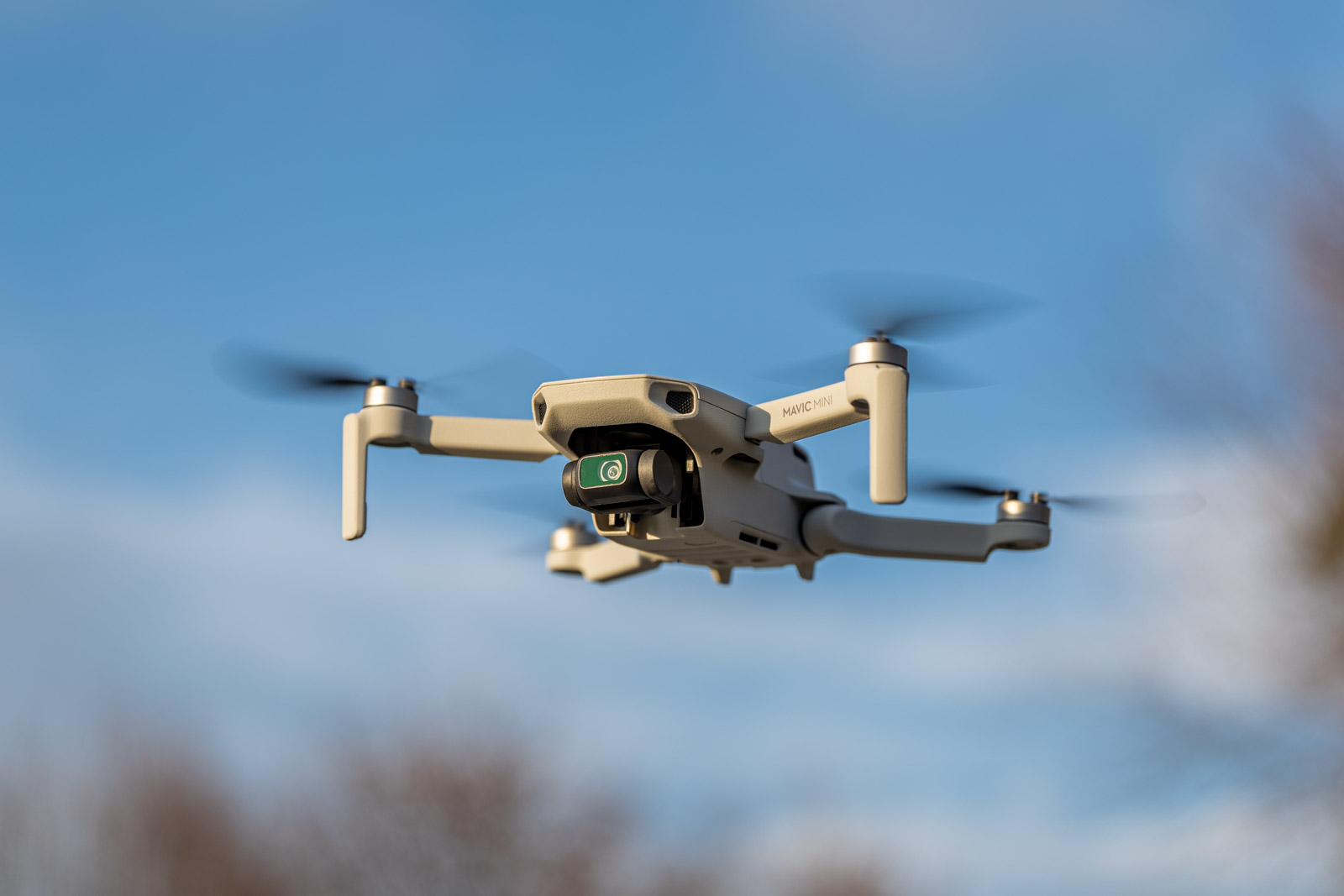
After many months of work on the new aviation law, we finally know the details. From the new year, flying a drone will require knowledge of new regulations in force throughout the European Union, including Poland. Here are the most important information you need to know.
A FAQ has just appeared on the website of the Civil Aviation Authority, which contains a collection of the most important information about the upcoming aviation law. A comprehensive document on 22 pages answers the 101 most important questions, but if you don’t have time to read through all the news, I have compiled for you the most important information you need to know.
The new drone law will come into force on the last day of 2020.
The new regulations enter into force on December 31, 2020 in the European Union, including Poland. Until then, the current national regulations are in force in Poland. From next year, the law in Europe will be much more uniform, but before going on holiday abroad, it is better to check whether a given country does not apply its own, more restrictive regulations.
If you want to fly the drone you need to register.
The biggest novelty will be the register of operators of unmanned aerial vehicles (UAVs), which for the sake of simplicity we will call drones. You won’t need to register your drone, but you will need to register yourself as an operator.
After registration, each operator will get their registration number, which they will have to put on each of their drones. It will be possible to register on the website of the Civil Aviation Authority from December 31, 2020.
What about minors? If you are under 18, but you are over 14, you can register with the consent of your parent or legal guardian. On the other hand, if you are under the age of 14, you cannot register under the new law, so you cannot fly drones like the Mavic Pro, Air or even Mini. You are only left with the smallest toy drones.
If you have a drone with a camera, you must undergo training.
Don’t worry, it’s not about an expensive flying course that ends with a state exam. Under the new regulations, we will have to register on the website of the Civil Aviation Authority and undergo a simple online training completed with a test.
The test includes 40 multiple-choice questions in areas such as aviation safety, airspace restrictions, aviation regulations, operating procedures, general knowledge of drone systems, privacy and data protection, and insurance.
The obligation to pass the online test applies to all drones weighing more than 250 g and all drones "with a sensor enabling data collection". This makes the test valid even for owners of a Mavic Mini weighing 249 g, as this drone has a camera that collects data. Without the test, only the smallest flying toys will be able to fly.
What about flying in the city?
Basically, you can do it, but you have to meet a lot of conditions. If you are not licensed to fly, and you just bought a drone and would like to fly it within city limits, you must first register as an operator and pass the online test described above. For this you must adhere to the restrictions.
City flights are allowed under the new open category (OPEN), which does not require approval or authorization, but also assumes that:
- you fly a drone weighing up to 25 kg,
- you fly up to a height of 120 m and only in sight,
- the risk to third parties is very low.
However, this is not the end, because of course you still have to respect the limitations in the airspace and air zones. If there is an airport or, for example, a military base nearby, just stop flying.
Such restrictions regarding zones can be checked on the website of the Polish Air Navigation Services Agency, but a much more convenient way is to use the Polish DroneRadar application. You will find information about the zones and if there are flying restrictions in a given location.
If the limitations of the OPEN category are too great for you, there are also additional categories: specific (SPECIFIC) and certified (CERTIFIED). Both of these categories require a permit to fly, and the last category requires a valid operator’s certificate.
These categories allow for more, but also require much more knowledge and experience in flying. To be able to fly in the SPECIFIC and CERTIFIED categories, you will need to pass an additional theoretical knowledge examination before the state examiner, as well as training and practical skills examination. If you already have a qualification certificate, after the new regulations enter into force, you will be able to apply for conversion of entitlements to be valid under the new regulations.
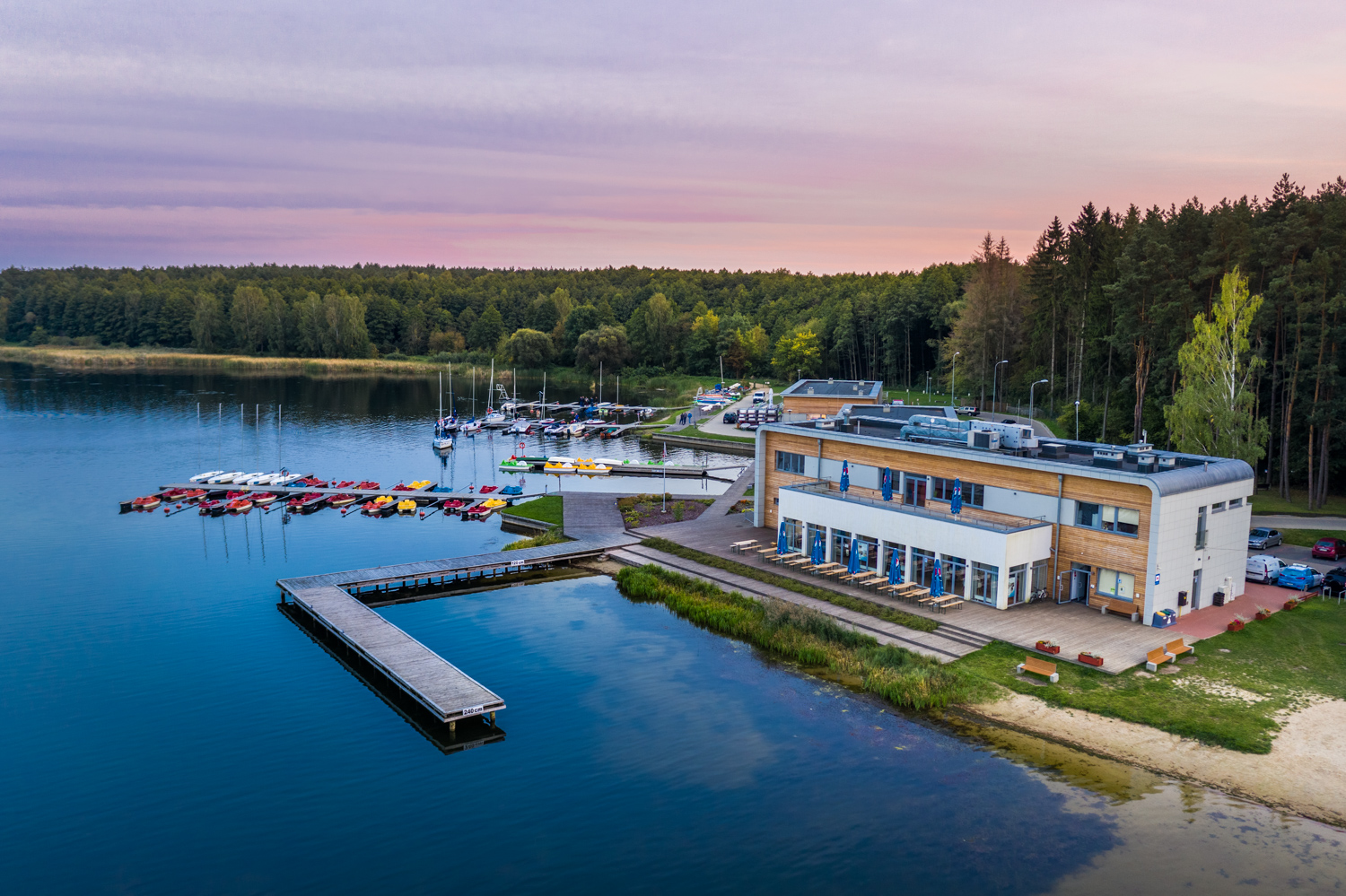
If you start flying over people, the consequences can await you.
Even if you only fly in the OPEN category, you must be careful to meet the condition of not posing any risk to third parties. This is quite a fluid nomenclature, so the OPEN category includes three subcategories: A1 (flights over people), A2 (flights close to people) and A3 (flights away from people).
What does the term "away from people" mean? The regulations stipulate a minimum horizontal distance of 150 m from people and buildings. For flying in category A3, the online test mentioned above is sufficient. Other subcategories will require the completion of an additional classroom theory test and practical training.
If you are flying over other people’s heads, you may be in control. Police, Border Guard, CAA employees and other services will be able to check your entitlements. The services will have access to the register of drone operators.
Most importantly: always check that a certain place can fly.
Here, again, it’s best to rely on the DroneRadar app recommended by the Civil Aviation Authority. The application is connected to the PansaUTM system, i.e. a platform that coordinates the movement of unmanned aerial vehicles in Polish airspace.
What about commercial recording?
European regulations abolish the previously used division into recreational, sports and commercial flights. And very good, because such a division caused a lot of controversy. If you took a few photos over the city on a recreational flight but someone liked them enough to buy them, did you end up making a commercial flight?
This division is disappearing, so you can fly commercially on the same terms as you fly recreationally. However, it should be remembered that all the above-mentioned rules apply.
Still too much information? A short list will come to your aid.
The regulations can seem overwhelming, so let’s summarize what you will need to do to fly legally from the next year. The most important points are:
- One-time mandatory registration in the register of operators on the website of the Civil Aviation Office (registration will start on December 31, 2020),
- Sticking your registration number on the drone,
- Simple online training completed with a test (available from December 31, 2020 on the website of the Civil Aviation Authority),
- Check before each flight that the place is suitable for flying. This should be done on the website of the Polish Air Navigation Services Agency or in the DroneRadar application.
After these conditions are met, you can fly a standard drone (weighing less than 25 kg) even in the city, but only up to a height of 120 m, within sight and at a minimum distance of 150 m from buildings and people.
This short pull is just the beginning.
I focused on people flying light drones, mainly for fun. If you want to know more details, please refer to the official FAQ , as well as to the legal acts on the website of the Civil Aviation Authority and on the website of the European Commission .
Don’t miss out on new texts. Follow Spider’s Web on Google News .
Got a drone? Get ready for the new aviation law. Here are the highlights

from WordPress https://ift.tt/3kT9g7S


Comments
Post a Comment